CFA Library
Electrolytes: Do You Actually Need Them?
The Electrolyte Hype Isn't New
Electrolytes are having a moment right now, especially in hybrid racing and Hyrox, where people sweat a lot and are constantly trying to replace what they lose. Electrolytes themselves aren't new, they've always been part of how our bodies work. We're just talking about them more because fitness racing, and endurance sport in general, keeps getting more popular.
So the real question is: do you actually need them?
What the Research Actually Says About the Benefits
Before I get into my own routine, it's worth being clear on what electrolytes actually do for you, because the benefits go further than just "avoiding cramps."
Sodium isn't only about hydration. It's the electrolyte you lose the most of in sweat, and beyond fluid balance it plays a direct role in nerve signaling, muscle contraction, and mental sharpness. TrainingPeaks points out that how much sodium people actually lose in sweat varies hugely from person to person, which lines up with what I see in the gym: some people finish a session drenched and crusted in salt, others barely break a sweat.
Magnesium gets a lot less attention but might matter just as much for how you feel afterward. A peer-reviewed review on vitamins, minerals, fatigue and cognition found that low magnesium status is linked to impaired physical performance, reduced muscle strength and endurance capacity, and a higher perceived fatigue, and separately, to worse cognitive outcomes. In plain terms: if you're dragging in the afternoon and reaching for a second coffee, it might not be caffeine you're actually missing.
So, Do You Actually Need Them?
If you're a sweaty person, chances are you're losing a decent amount of sodium and other minerals every time you train hard. A 30-40 minute high-intensity session, a Hyrox workout or race, or a 10k in the kind of heat we get here in Siem Reap, for most people you're just not going to replace what you lost through normal food and water alone.
Part of the reason is that modern diets don't carry these minerals the way they used to. Sodium, magnesium, and potassium, the three main ones you'll find in any electrolyte drink, are easy to run short on if you're not paying attention, especially once you stack heat and heavy training on top.
Why Most Supermarket "Electrolyte" Drinks Don't Count
Walk into any supermarket here and you'll find plenty of drinks branding themselves as a healthier, sportier alternative to regular soda, some local, some international. They're popular precisely because they market themselves that way. And sure, they're better than a can of Fanta or Sprite. But most of them are still built on sugar first, electrolytes second. What you're mostly getting is sugar, not the minerals you actually need, and you're unlikely to notice much of a performance difference from drinking one.
What to Actually Look For
If you want something that functions like a real sports electrolyte drink, look for three things: enough sodium, enough potassium, enough magnesium. And ideally, no added sugar. If you want carbs, for energy or recovery, get them somewhere else, deliberately, rather than as a side effect of your electrolyte drink.
My Go-To Options Here in Siem Reap
Options are a bit limited locally, but here's what actually works for me.
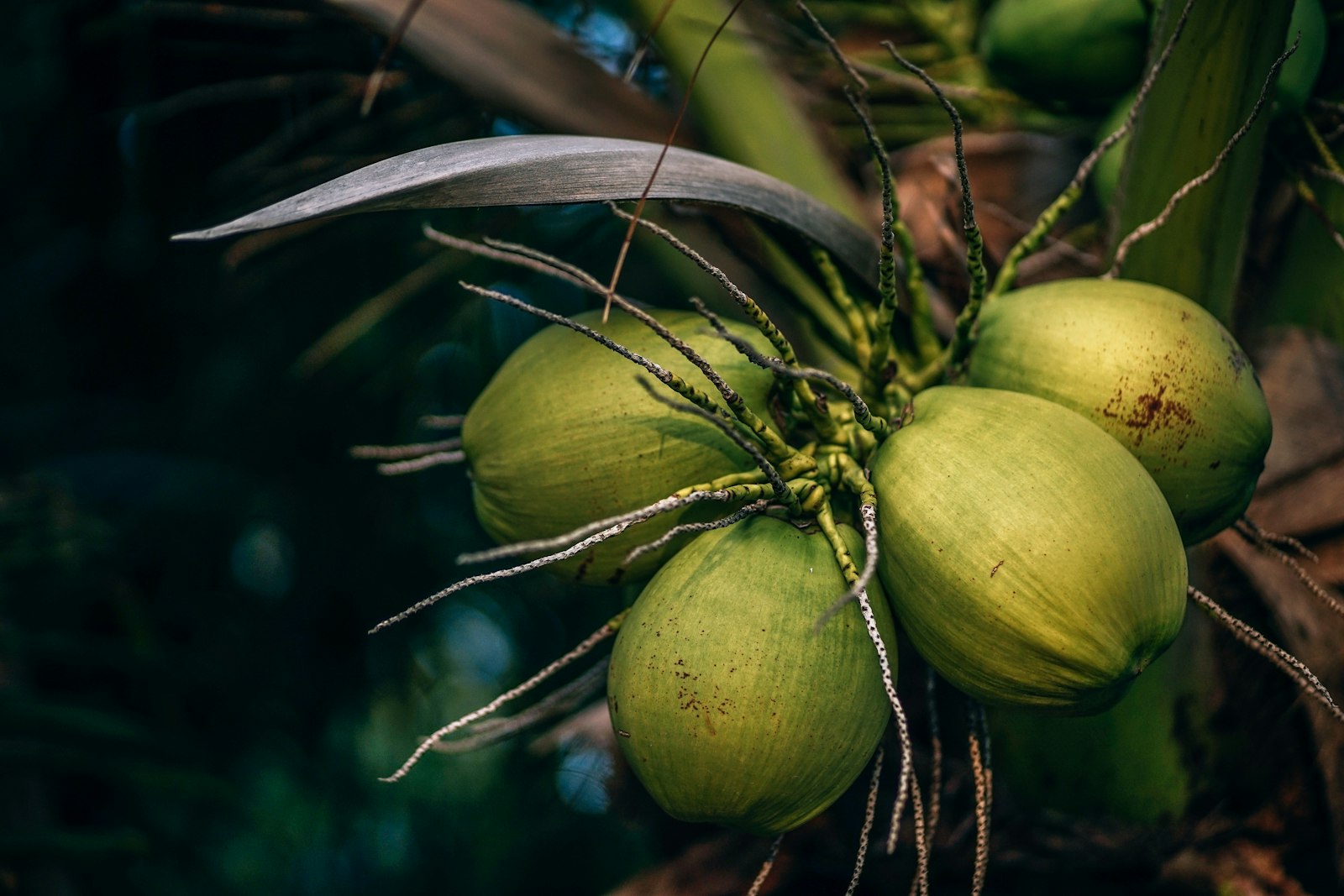
Coconuts are option one, and honestly the best one for your body if you can get them fresh, which in Siem Reap means basically every street corner. They're naturally rich in potassium, decently rich in magnesium (though this varies a lot depending on how ripe the coconut is and the variety), completely unprocessed, and 100% natural, only natural sugar, no additives. Cold, they're one of the best drinks going. I have one most days, at the very least a few times a week.
That said, I don't think coconut water alone covers what my body needs. I'm a genuinely sweaty person, so on longer or harder training days I need more electrolytes than a coconut or two is going to give me.
Electrolyte powders are my second go-to, I dissolve one into a bottle of water, usually once a day, less on easy or rest days. When I'm picking a powder, I'm checking for the same three things every time: real amounts of magnesium, potassium, and sodium, and zero added sugar. Brands I've tried and can recommend are Humantra (available in the UAE and UK), Wilder (available in a few countries around Southeast Asia, mainly Thailand), and Flow (made right here in Cambodia).
Where to Buy Electrolytes in Siem Reap
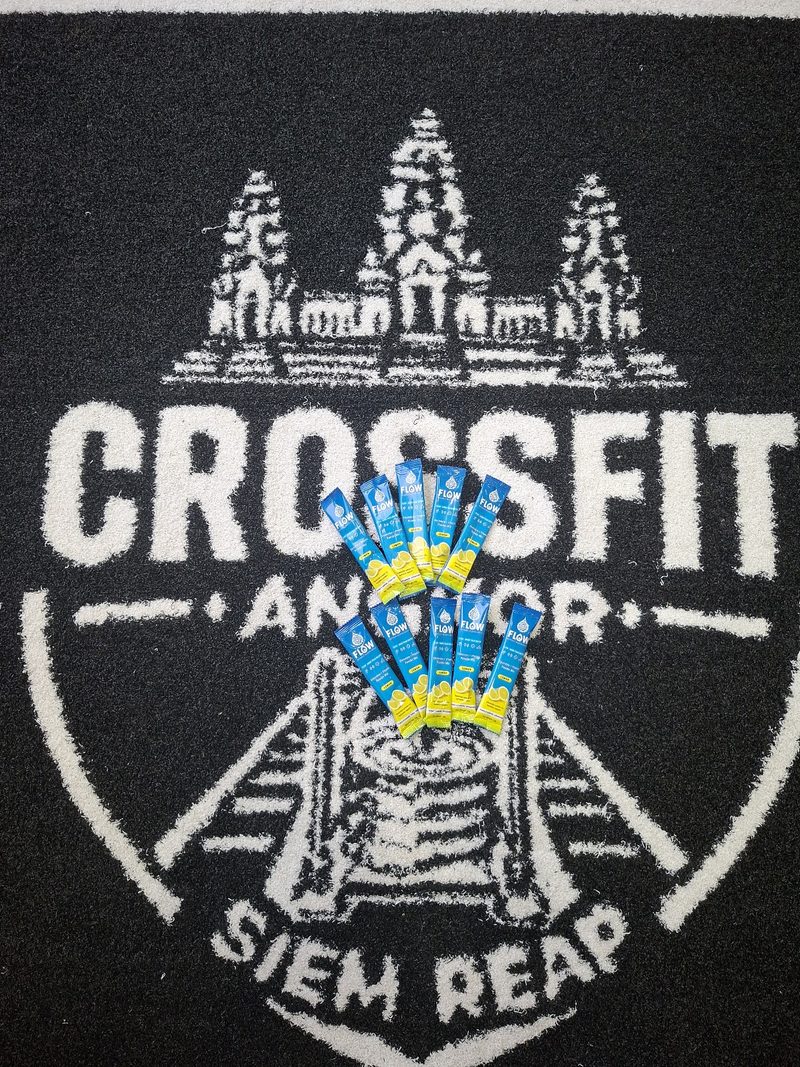
If you're actually looking to buy a proper electrolyte drink here in Siem Reap, options are limited, but we've got you covered. At CrossFit Angkor, we stock Flow, the first Cambodian-made electrolyte brand.
Flow comes with a solid combination of sodium, potassium, and magnesium. It does have a small amount of sugar, which personally I'm not a huge fan of, but according to the brand, that small amount actually helps the electrolytes dissolve and absorb more efficiently, and the quantity is genuinely low compared to what you'll find in most other drinks. So it's manageable, and it doesn't change my recommendation above.
I've been taking Flow for about a month now since we started working together, and honestly the taste is really good, refreshing, not overly sweet. I know they're working on more flavors too. Worth giving it a try, one sachet after a sweaty session is the way to go.
Bottom line: if you train in a hot climate like Siem Reap, you need to actively think about keeping your minerals topped up, especially after a sweaty session. A couple of coconuts a day is a great start. On top of that, a proper electrolyte supplement, one that's genuinely built for sport rather than just marketed that way, is worth adding to the routine.